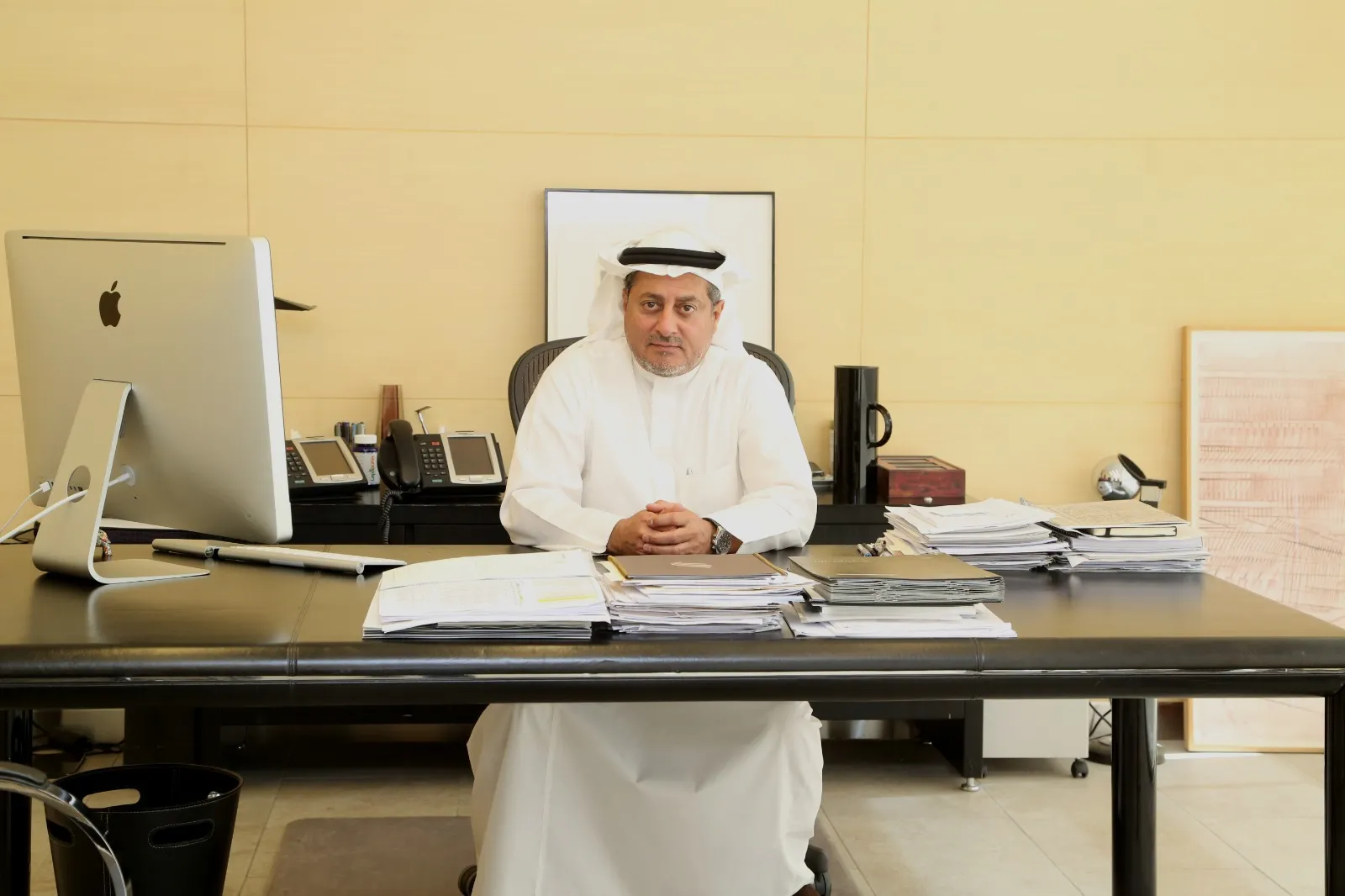
When I started Saudi Controls in the early days, automation was still a foreign concept in our region. We had limited resources but a clear vision: to modernize our nation's infrastructure through technology. That determination, not just technology, became the foundation of every success that followed.
Today, as I reflect on decades of building teams and businesses across Saudi Arabia, I've learned something crucial: the greatest infrastructure we build isn't made of steel and circuits, it's made of people. This human-centric approach is vital for the Kingdom's future.
Shaping Saudi engineering for Vision 2030 through smart industries, automation, and green technology innovation.
TL;DR: Building the Future
Rising Demand
Saudi engineering demand is growing rapidly across automation, power, and software fields.
Saudization Opportunities
Vision 2030 focuses on real capability building, creating massive opportunities for local talent.
Leadership & Values
Leadership and collaboration matter most in driving real transformation within industries.
Economic Growth
Engineering salaries are rising, reflecting the high value of skilled human capital in the region.
Why Saudi Engineering Talent Development Matters
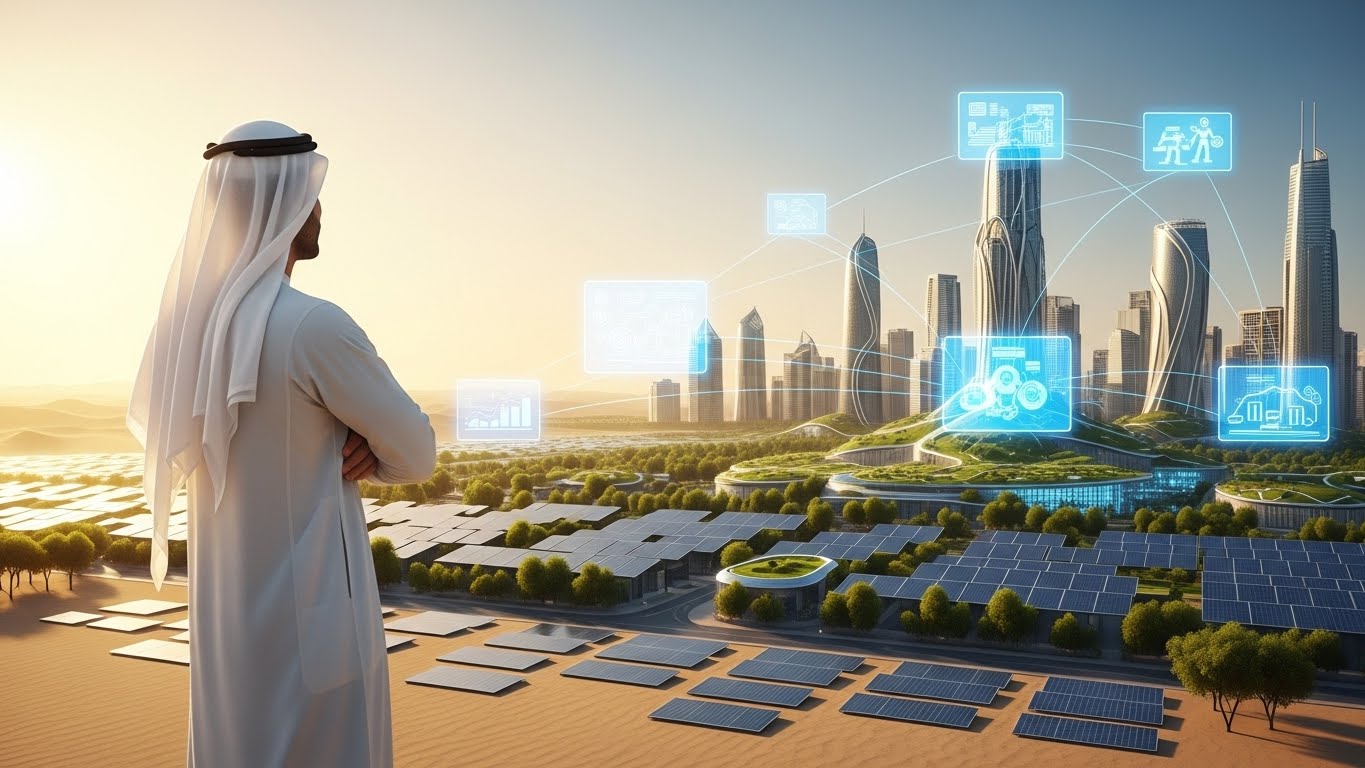
Saudi Arabia is investing hundreds of billions into mega-projects like NEOM, The Line, and the Red Sea Development. These are laboratories for the future of sustainable living. But to run these labs, we need a generation of world-class engineers.
High-Demand Engineering Fields
- Automation and Control Systems: The brains behind the Kingdom's factories and smart cities.
- Electrical and Power Engineering: Reimagining our energy grid for a sustainable future.
- Software and Systems Engineering: Building the digital infrastructure of a connected economy.
- Environmental and Sustainability Engineering: Ensuring our progress doesn't come at the cost of our planet.
Technology Doesn't Transform Industries, People Do
I've seen countless expensive systems fail not because of technical limitations, but because organizations neglected the human element. Tools evolve, but it's leadership, collaboration, and curiosity that drive real change. Innovation is not an outcome; it's a mindset that must be nurtured every day.
The dialogue shouldn't just be about the latest tech; it should be about how we empower our people to use these tools to their fullest potential.
Engineering Compensation in the Kingdom
As the demand for specialized skills grows, we are seeing a significant rise in engineering salaries across the Kingdom:
- Entry-level: SAR 8,000 – 15,000/month
- Mid-level: SAR 15,000 – 30,000/month
- Senior: SAR 30,000 – 60,000/month
- Managers: SAR 60,000 – 150,000+/month
Building the Bridge to Smart Industries
- Strong engineering foundations: Moving beyond theory to practical, hands-on application.
- Cross-disciplinary collaboration: Breaking down silos between different engineering branches.
- Innovation-driven mindset: Encouraging teams to question the status quo and look for better solutions.
The Mega-Projects Effect
Major firms like AECOM, Bechtel, and Dar Al-Handasah are working alongside Saudi companies. These projects are creating global-level experience for Saudi engineers, allowing them to work on some of the world's most ambitious construction and technology programs.
Practical Steps for Talent Development
- Mentorship programs pairing veterans with young talent.
- Project-based learning to solve real-world industrial challenges.
- Continuous technical training in emerging fields like AI and Green Tech.
- Leadership development to prepare the next generation of Saudi CEOs.
- Cross-cultural exposure through international partnerships and exchange programs.
Frequently Asked Questions
Which engineering is high demand in Saudi Arabia?
Automation, electrical, software, and sustainability engineering are currently seeing the highest demand due to national mega-projects.
What is Saudization policy 2030?
Unlike traditional quotas, the new phase of Saudization focuses on real capability building—ensuring Saudi citizens have the skills to lead and innovate.
How much is an engineer paid?
Salaries are competitive, ranging from SAR 8,000 for entry-level roles up to SAR 150,000+ for executive management positions.
What firms work on NEOM?
Global giants like AECOM, Bechtel, and Parsons work alongside major Saudi partners to deliver NEOM's visionary infrastructure.
Conclusion: The Future We're Building
The future of smart industries in Saudi Arabia won't be built by machines alone. It will be built by talented Saudi engineers with curiosity and leadership. Technology is the tool. People are the transformation.
By investing in our human capital, we aren't just meeting quotas; we are securing the Kingdom's place as a global leader in engineering and sustainable innovation.