When I founded Saudi Controls decades ago, we weren't just selling automation systems—we were pioneering a vision that seemed almost impossible at the time. Automation was a foreign concept in our region, and sustainability? That word barely existed in our industry's vocabulary. Yet standing at that crossroads of technology and infrastructure development taught me something crucial: digital connectivity isn't just about cables, sensors, and networks. It's about connecting human ingenuity to purposeful outcomes.
Today, everyone talks about how technology will save the planet. Smart grids, IoT sensors, AI-optimized energy systems—the promises are endless. But here's what decades of building infrastructure have taught me: technology doesn't transform industries; people do. And when those people harness digital connectivity with the right mindset, that's when sustainable development stops being a buzzword and becomes reality.
This article shares what I've learned about the true intersection of digital connectivity and sustainability—not from theory, but from the ground up.
TL;DR: Key Insights
- Digital connectivity enables sustainable development by empowering people to make better decisions, not by automating problems away
- Real progress happens at the intersection of technology, human potential, and sustainable leadership
- Smart infrastructure and green technology work only when built on collaboration, curiosity, and integrity
- Connected sustainability requires viewing innovation as a daily mindset within teams, not just an outcome
- Practical examples show digitalization supporting sustainable development goals across energy, water, transportation, and urban planning
Understanding Digital Connectivity in the Sustainability Context
Digital connectivity refers to the seamless integration of devices, systems, and people through networks that enable real-time data exchange and decision-making. In sustainability contexts, this means creating infrastructures where environmental data flows as freely as information on the internet—allowing organizations, cities, and entire nations to respond dynamically to resource challenges.
But let me be clear about something: the tools themselves don't create transformation. I've watched countless organizations invest millions in sensor networks and analytics platforms, only to see minimal impact on their sustainability goals. Why? Because they focused on the technology as the solution rather than enabling their people to leverage that technology effectively.
True digital connectivity for sustainability happens when:
- Teams can access real-time environmental data and actually understand what it means
- Decision-makers receive actionable insights, not just data dumps
- Systems communicate across departments, breaking down organizational silos
- Local knowledge combines with technological capability

The Foundation: Smart Infrastructure
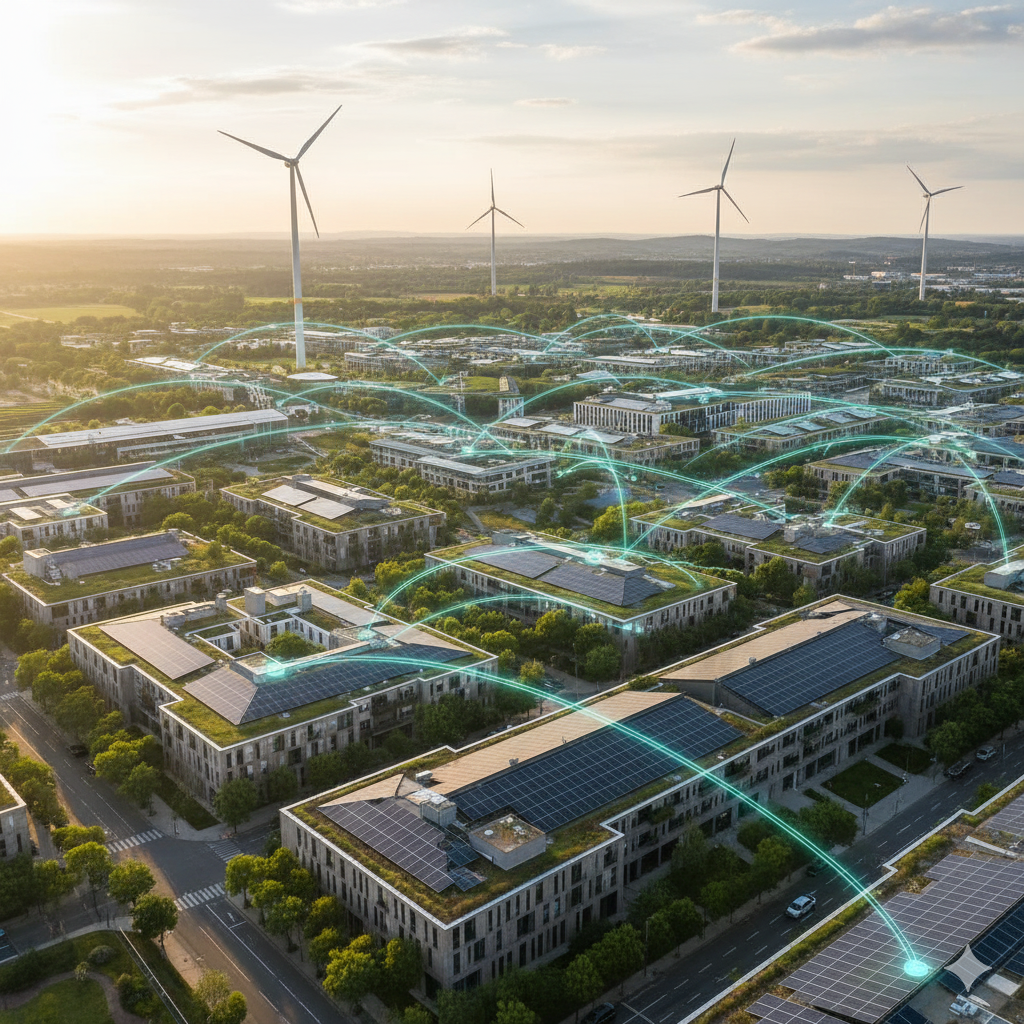
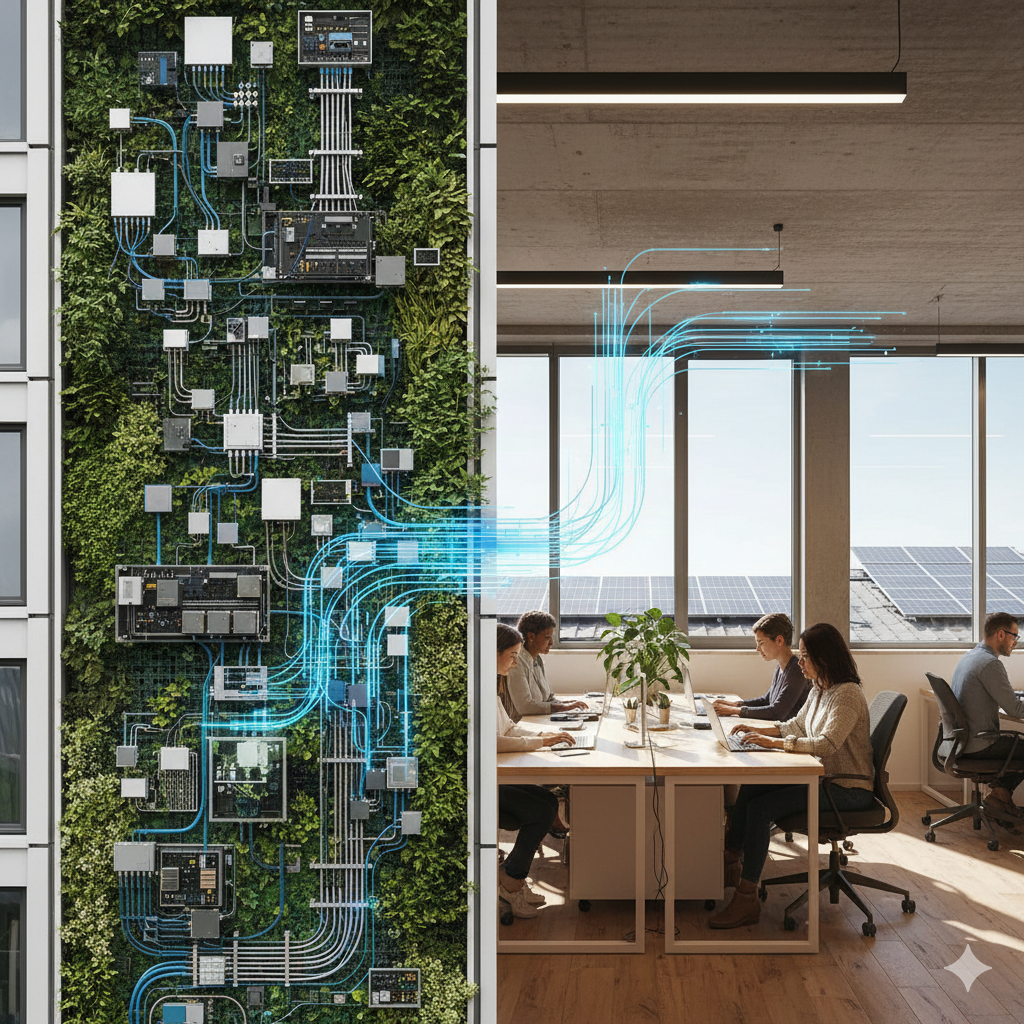
Smart infrastructure represents the physical manifestation of connected sustainability. These are the bridges, power grids, water systems, and buildings equipped with sensors, controls, and communication capabilities that turn static assets into responsive, intelligent systems.
In the early days at Saudi Controls, we had limited resources but a clear vision: to modernize our nation's infrastructure through technology. What made the difference wasn't having the most advanced equipment—it was our determination to understand how automation could genuinely serve people's needs. That determination, not just technology, became the foundation of every success that followed.
Today's smart infrastructure includes:
- Energy Grids: Digital sensors monitor electricity flow, predict demand patterns, and automatically balance loads between renewable and traditional sources. This reduces waste and makes renewable energy integration practical at scale.
- Water Management Systems: Connected sensors detect leaks immediately, monitor water quality in real-time, and optimize distribution based on actual usage patterns rather than estimates.
- Intelligent Buildings: Automated systems adjust heating, cooling, and lighting based on occupancy and external conditions, cutting energy consumption by 30-40% while improving comfort.
- Transportation Networks: Traffic management systems reduce congestion and emissions by optimizing signal timing and providing real-time routing information.
My Honest Take: People Transform Industries, Not Technology
Here's where I challenge the conventional wisdom that dominates most sustainability conversations: We've become obsessed with technological solutions while overlooking the human element that makes them work.
I believe true progress lies at the intersection of technology, human potential, and sustainable leadership. My mission has always been to bridge innovation with integrity—building systems and organizations that last.
Walk into any conference on green technology or sustainable development, and you'll hear endless presentations about the latest innovations. AI this, blockchain that, IoT everything. But ask about leadership development, team collaboration, or organizational culture, and you'll get polite nods before everyone returns to discussing algorithms.
This is backwards.
Tools evolve, but it's leadership, collaboration, and curiosity that drive real change. I've seen brilliant technological solutions fail because leadership didn't create the culture needed to embrace them. I've also seen modest technology implementations create extraordinary results because teams approached them with the right mindset.
Too many focus on innovation as an outcome; I see it as a mindset built every day within teams. When you build that mindset—when people come to work asking "how can we do this better?" rather than "how do we maintain what we've always done?"—that's when digital connectivity becomes a true enabler of sustainable development.
Building the Human Infrastructure
Connected sustainability requires investing as much in your people as in your technology:
- Continuous Learning: Technology evolves faster than any training program can keep pace with. Foster curiosity and give teams time to explore new capabilities.
- Cross-Functional Collaboration: Sustainability challenges don't fit neatly into departmental boxes. Digital connectivity is only as effective as your organization's ability to work across traditional boundaries.
- Trust and Transparency: Real-time data means real-time visibility into both successes and failures. Build a culture where data informs improvement rather than blame.
- Long-Term Thinking: Sustainable development means exactly that—sustained over time. This requires leadership committed to building organizations and systems that last, not just hitting quarterly targets.
How Digital Technologies Enable Sustainable Development Goals
The United Nations' Sustainable Development Goals provide a comprehensive framework for addressing global challenges. Digital technologies and sustainability intersect across virtually every goal, but the impact varies dramatically based on implementation approach.
Energy and Climate Action (SDGs 7 & 13)
Digital connectivity enables unprecedented optimization of energy production and consumption. Smart grids balance supply and demand in real-time, reducing the need for excess generation capacity and making renewable energy sources viable at larger scales.
Real-World Impact: Modern building management systems use connected sensors and predictive algorithms to reduce energy consumption by 20-40% compared to traditional approaches. But the real magic happens when facility teams use this data to continuously refine operations based on actual usage patterns.
Clean Water and Sanitation (SDG 6)
Connected water systems detect leaks within hours rather than days or weeks, preventing millions of gallons of waste. Digital monitoring ensures water quality and optimizes treatment processes.
The Human Element: Technology identifies problems, but trained operators make decisions. The most effective water utilities combine digital infrastructure with ongoing operator development, creating teams that understand both the technology and the water systems they manage.
Sustainable Cities (SDG 11)
Urban areas consume 75% of global resources and produce 80% of greenhouse gas emissions. Digital infrastructure investment initiatives transform cities into responsive ecosystems that adapt to changing conditions.
Connected transportation reduces congestion. Smart lighting adjusts to actual needs. Waste management optimizes collection routes. Environmental sensors monitor air quality and trigger responses to pollution events.
Industry and Innovation (SDG 9)
Digitalization and sustainable development goals converge most dramatically in industrial applications. Predictive maintenance extends equipment life and prevents catastrophic failures. Process optimization reduces waste and energy consumption. Supply chain visibility enables circular economy approaches.
Practical Examples of Connected Sustainability in Action
Example 1: Industrial Energy Management
A manufacturing facility installs connected sensors across production lines, HVAC systems, and compressed air networks. The system identifies that compressed air leaks waste 30% of the compressor's energy output—equivalent to leaving 15 cars running 24/7.
But the technology alone didn't solve anything. It took maintenance teams learning to interpret the data, production managers prioritizing fixes, and leadership allocating resources for repairs. The technology enabled the solution; people implemented it.
Example 2: Agricultural Water Optimization
Precision agriculture uses soil moisture sensors, weather data, and crop growth models to optimize irrigation. Fields receive exactly the water they need, when they need it, reducing consumption by 25-50% while improving yields.
Farmers who succeed with these systems don't just install technology—they develop new skills in data interpretation and adjust their operational routines based on digital insights.
Example 3: Campus Sustainability Integration
A university campus implements an integrated digital platform connecting building systems, renewable energy generation, electric vehicle charging, and occupancy data. The system optimizes operations across all facilities simultaneously, achieving carbon neutrality years ahead of schedule.
The technology made it possible. Student engagement, faculty buy-in, and administrative commitment made it successful.
Overcoming Challenges in Digital Sustainability Implementation
The Investment Barrier
Digital infrastructure requires upfront investment that can seem daunting, especially for organizations operating on thin margins. However, focusing purely on technology costs misses the bigger picture.
The real question isn't "can we afford the technology?" but "can we afford not to build organizational capacity for continuous improvement?" When framed this way, digital connectivity becomes an enabler of long-term viability rather than an optional expense.
Data Overload vs. Actionable Insights
More data doesn't automatically mean better decisions. Many organizations drown in information while starving for insight.
The solution lies in designing systems around decision-making needs rather than technological capabilities. What decisions do people actually need to make? What information enables better decisions? Start there, not with what the technology can theoretically provide.
Integration Complexity
Legacy systems, incompatible protocols, and organizational silos create integration challenges that purely technical solutions can't resolve.
Success requires viewing integration as much an organizational challenge as a technical one. Who needs to collaborate differently? What processes need to change? How do we build consensus around new approaches?
Frequently Asked Questions
Building Systems and Organizations That Last
Digital connectivity creates unprecedented opportunities for sustainable development. The technology exists today to monitor, optimize, and transform how we use resources across virtually every domain of human activity.
But technology alone never created lasting change. What transforms industries, communities, and nations is people using tools with purpose, guided by leadership that values long-term sustainability over short-term gains.
My journey from those early days at Saudi Controls taught me that true progress lies at the intersection of technology, human potential, and sustainable leadership. The mission remains the same: bridge innovation with integrity, building systems and organizations that last.
Conclusion: As you consider your own sustainability journey, remember: the question isn't what technology can do, but what your people will do with technology. Invest in both, cultivate curiosity and collaboration, and view innovation as a daily practice rather than an occasional outcome.
That's how digital connectivity truly empowers sustainable development—not through automated solutions, but through enabled people creating lasting change.
Ready to Empower Sustainable Development?
Join the conversation about digital connectivity and sustainable development. Let's build a future where technology empowers people to create lasting change.